Kontakt
- Konstepidemin
- Konstepidemins väg 6
- 413 14 Göteborg
- Sweden
- Hitta hit
- T: 031-82 90 90
- E: info@konstepidemin.se


Artist talk
— Angela Fellow & Amila Puzić

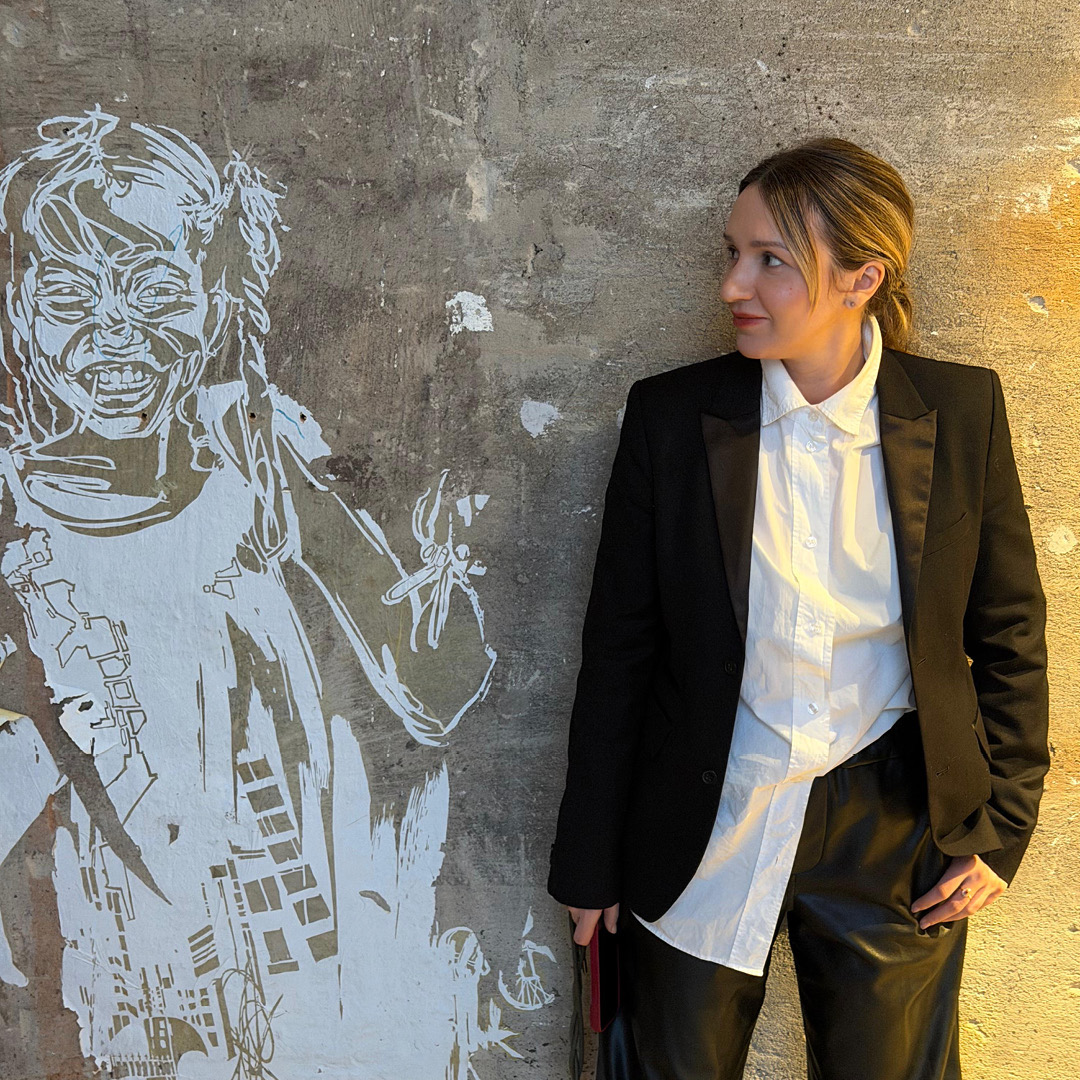
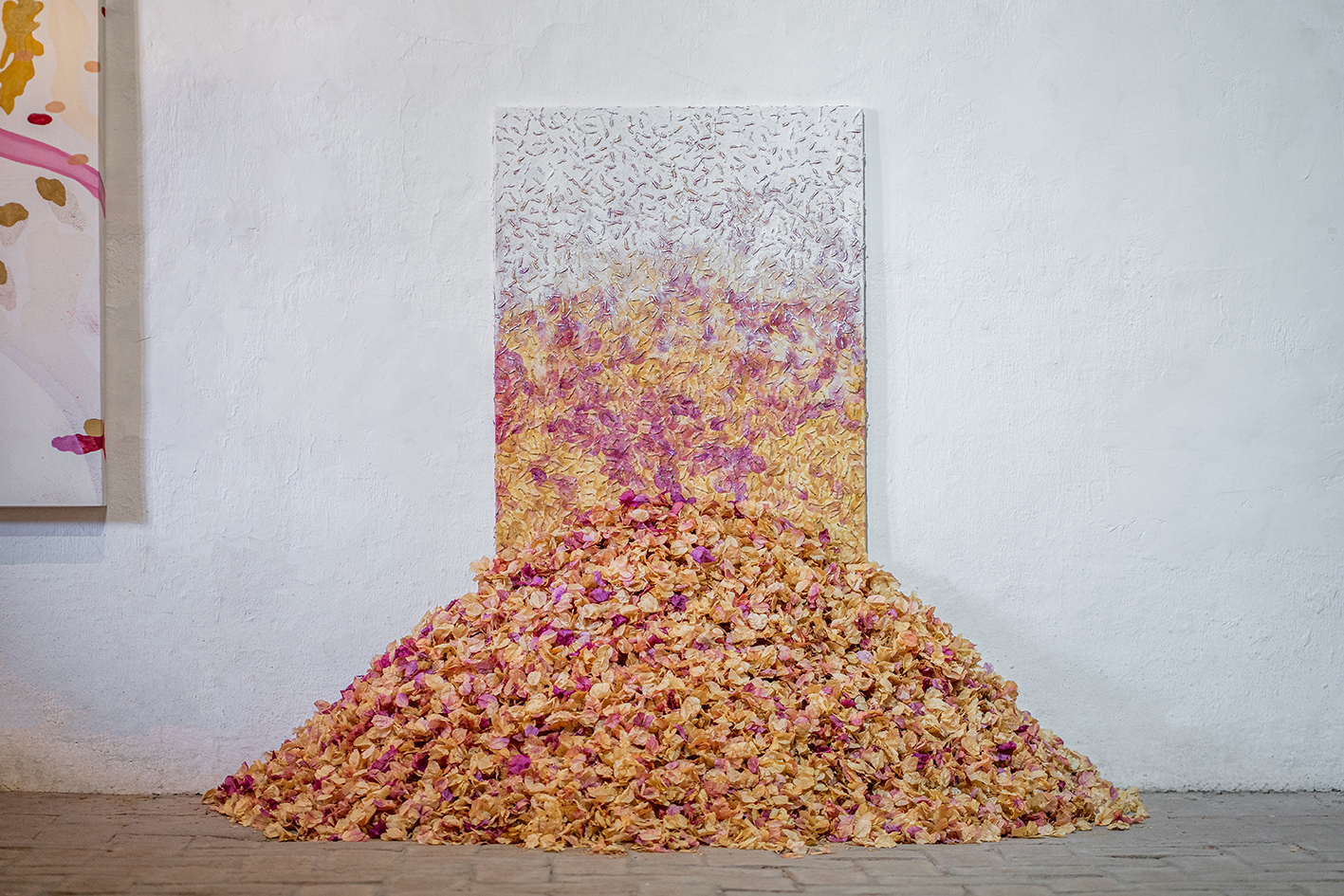
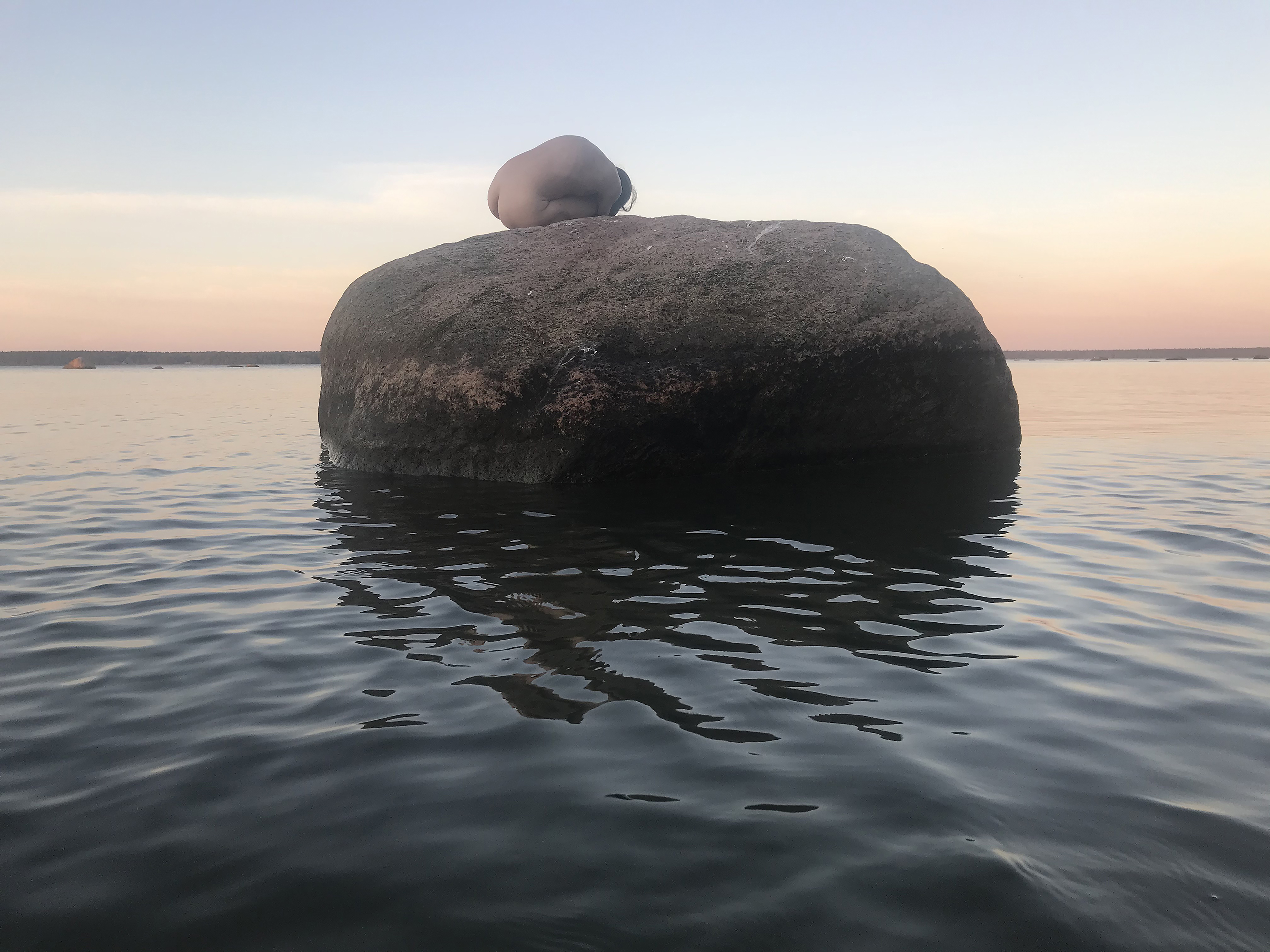
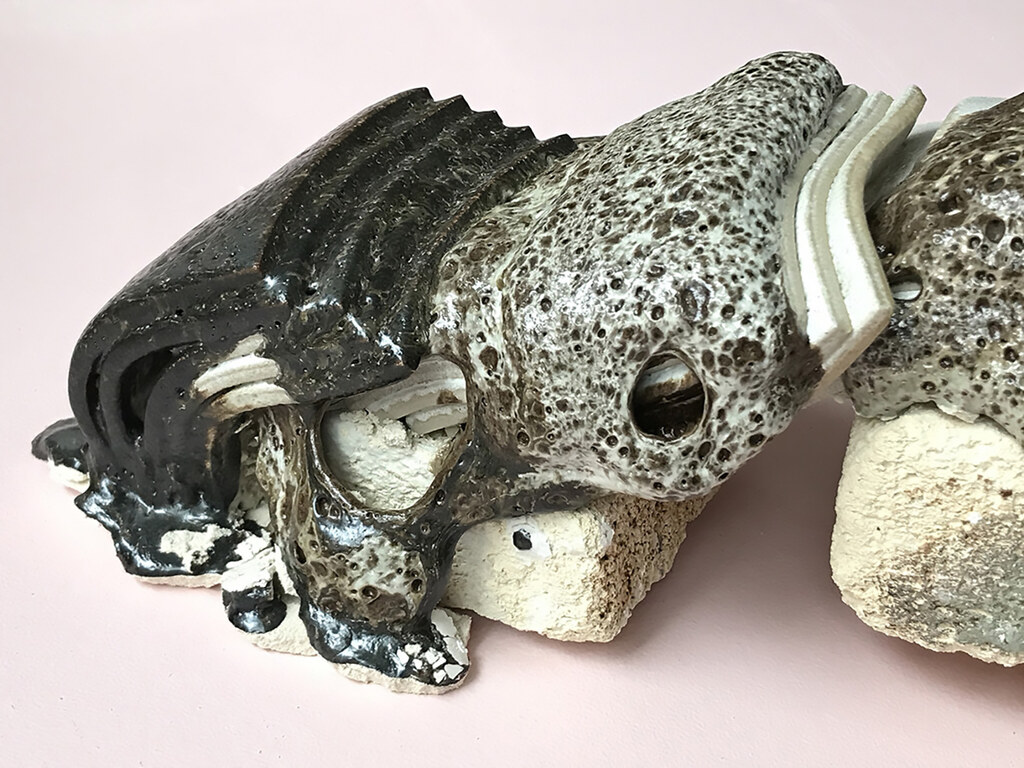
Angela Fellow, from Querétaro Mexico, has been invited by Västra Götalandsregionen for a residency at Konstepidemin as part of a yearly artist exchange that has been taking place between both regions for over two decades.
During Epidemifredag (Epidemic Friday), Fellow will host an open studio and present her work in conversation with Röda Stens Konsthall’s curator Amila Puzić.
Seeking to expand the perception of what we are sensitive to, and exploring our nature in relation to the “other,” Fellow approaches her artistic practice as a series of ontological and sensorial exercises aimed at experiencing the effects of matter as a vibrant presence that constantly returns our gaze. In Göteborg, she is currently extending this inquiry into art practice as a form of family heritage, a space where affinities, memories, desires, inherited traumas, personal archives and art objects revolve around the identity dichotomy of nature vs nurture.
ANGELA FELLOW
Angela Ramírez Fellowes (b. 1985, Querétaro), who works under the name Angela Fellow, is an interdisciplinary artist based in Querétaro, Mexico. Raised in an environment that blends Mexican and British influences, her early exposure to this cultural mix laid the foundation for an artistic practice that combines classical ideas regarding perception and beauty with a particular interest in the effects of matter, found objects and rituals.
After studying architecture and urban planning, she moved to Estonia in 2018 to pursue a master’s degree in contemporary art at the Estonian Academy of Arts. Her diverse artistic practice—encompassing everything from sculpture and multimedia installations to performance and jewelry art—has been exhibited internationally. Alongside her artistic work, which also explores collective co-creation and community-based projects, she is active as an urban planner and educator.
AMILA PUZIĆ
Amila Puzić is a curator and educator based in Gothenburg, where she has worked as a curator at Röda Sten Konsthall since 2021. Her practice spans exhibitions, public art projects, and discursive and performative programmes, engaging with contemporary artistic practices that address social, political and structural questions. She is particularly interested in how artistic practices become situated through relations between images, places, histories, institutions and audiences, and how these relations can become sites of critical inquiry and knowledge production.
Her work moves across curatorial practice, artistic research and pedagogy, grounded in close engagement with artists and an understanding of curating as a reiterative process through which knowledge is continually reshaped, shared and situated. In 2019, she co-curated the Pavilion of Bosnia and Herzegovina at the 58th Venice Biennale, represented by artist Danica Dakić.
Med stöd från/I samarbete med

Epidemifredag 6 november
- Epidemifredag
- Gästspel
Overcooked
6 november – 22 november

- Epidemifredag

As My Eyes Adjust
6 november – 29 november

- Epidemifredag
- I rörelse
Where Do You Find Your Light?
6 november – 29 november
- Epidemifredag

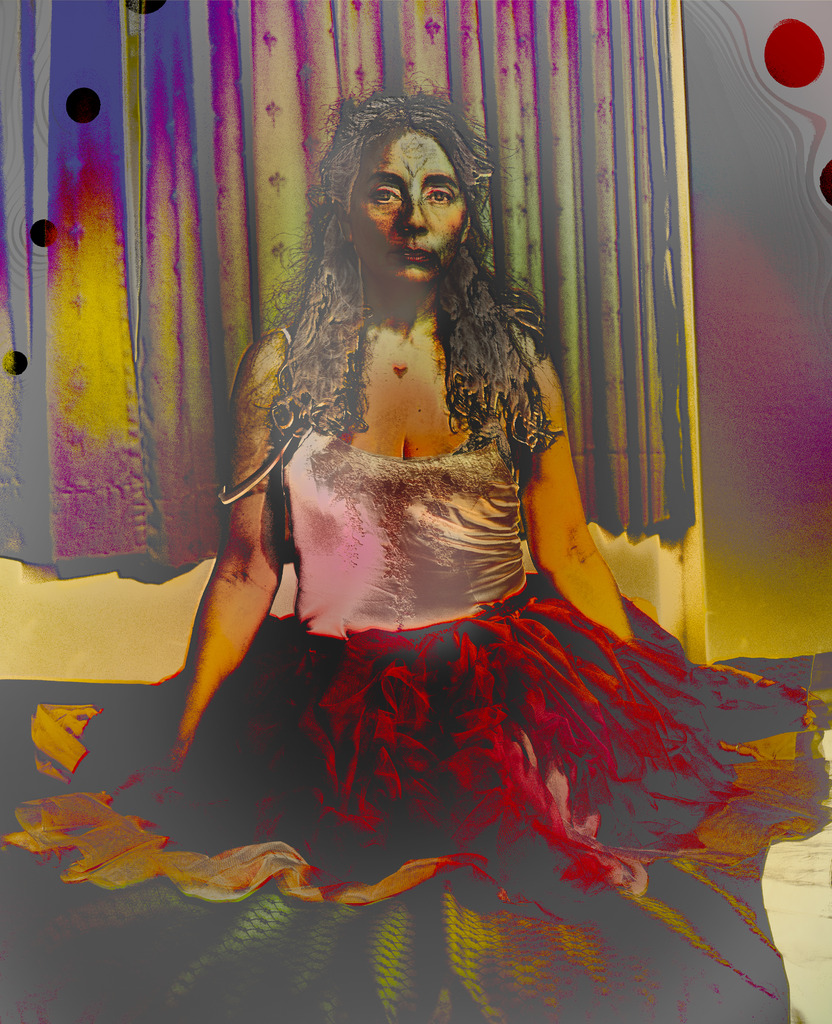
Feathers, Rainbow Scales. Fur & Skin.
6 november | 19:00 – 20:00

- Epidemifredag
Epidemifredag 6 november
6 november | 17:00 – 20:00

- Epidemifredag
- Gästspel
People Have Always Told Stories
6 november | 17:00 – 20:00
- Epidemifredag
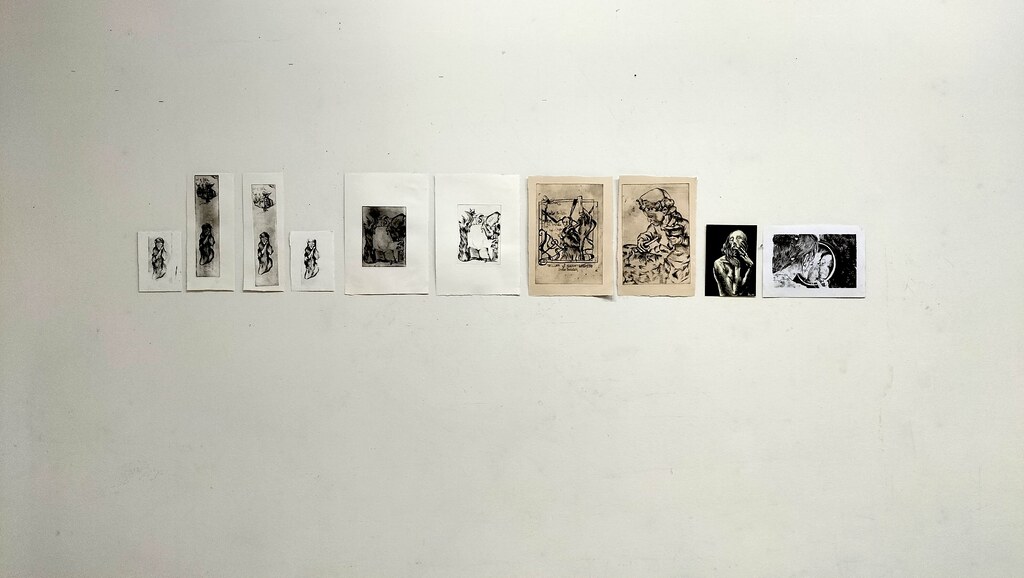
the improbable as a sanctuary
6 november | 17:00 – 20:00